
Wander a whole summer if you can. Time will not be taken from the sum of life. Instead of shortening, it will definitely lengthen it and make you truly immortal.
John Muir



“If you’re not barefoot, then you’re overdressed.” -Unknown

Summer afternoon—summer afternoon; to me those have always been the two most beautiful words in the English language.
Henry James


“Let us dance in the sun, wearing wild flowers in our hair…”
― susan polis schutz
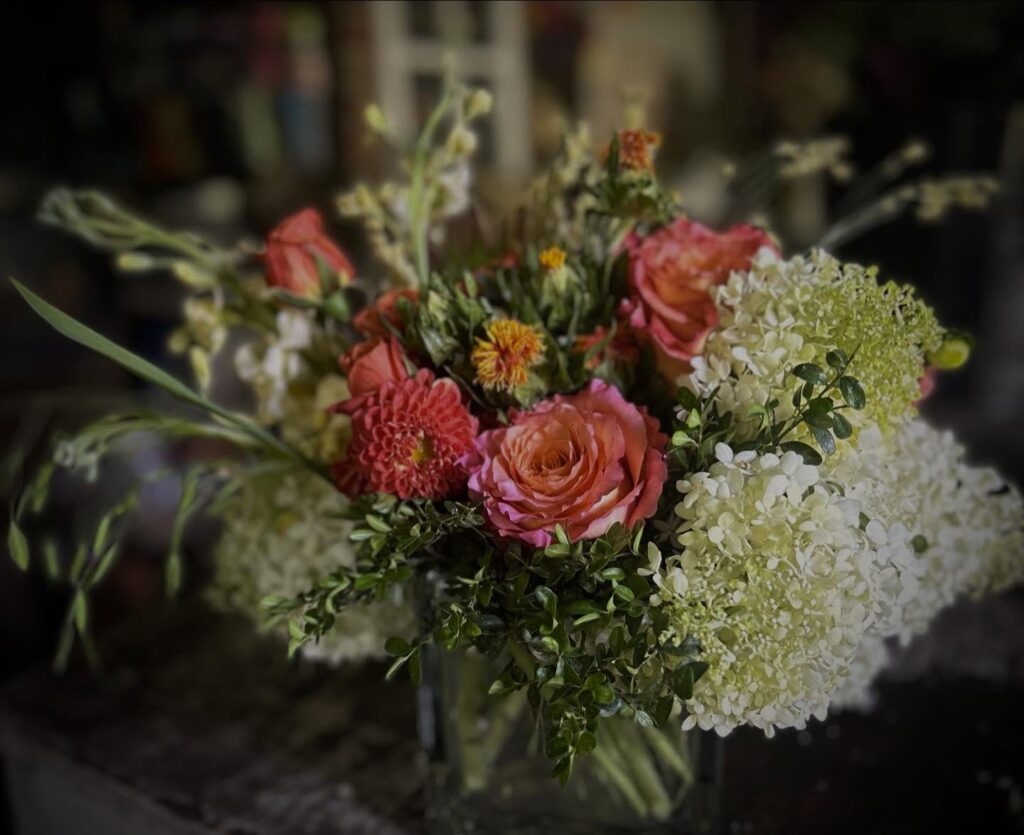
Green was the silence, wet was the light,
Pablo Neruda, 100 Love Sonnets
the month of June trembled like a butterfly.


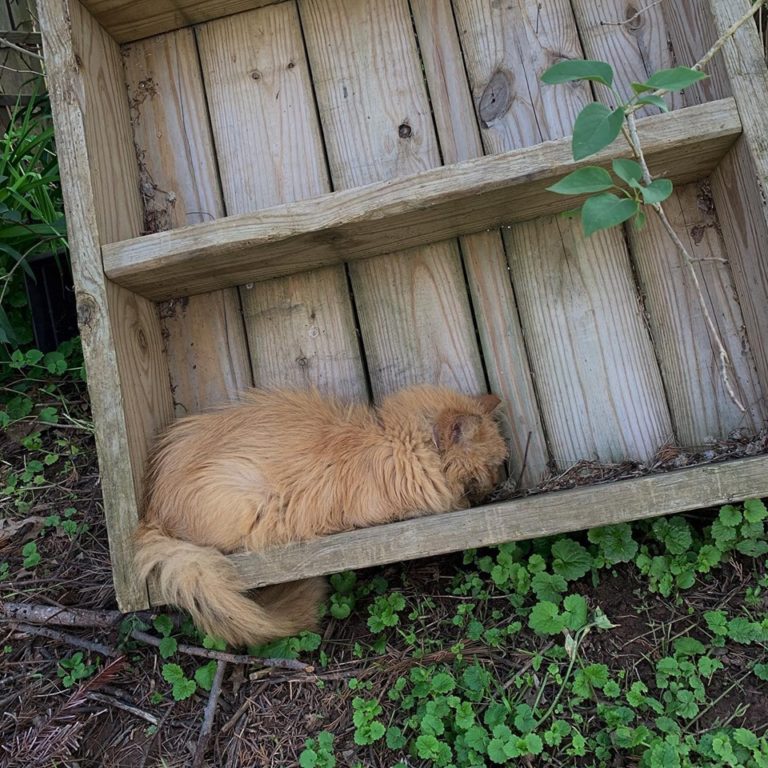
Captured here, is one of several special & original Willow Pond Farm members, who we miss terribly. Never missing an opportunity, he was always found taking advantage of a sunny day by taking a wee snooze in one of the many secret gardens. Whatever season it may be, naps in the sun are always appropriate.
Woods were ringed with a colour so soft, so subtle that it could scarcely be said to be a colour at all. It was more the idea of a colour – as if the trees were dreaming green dreams or thinking green thoughts.
Susanna Clarke, Jonathan Strange & Mr Norrell
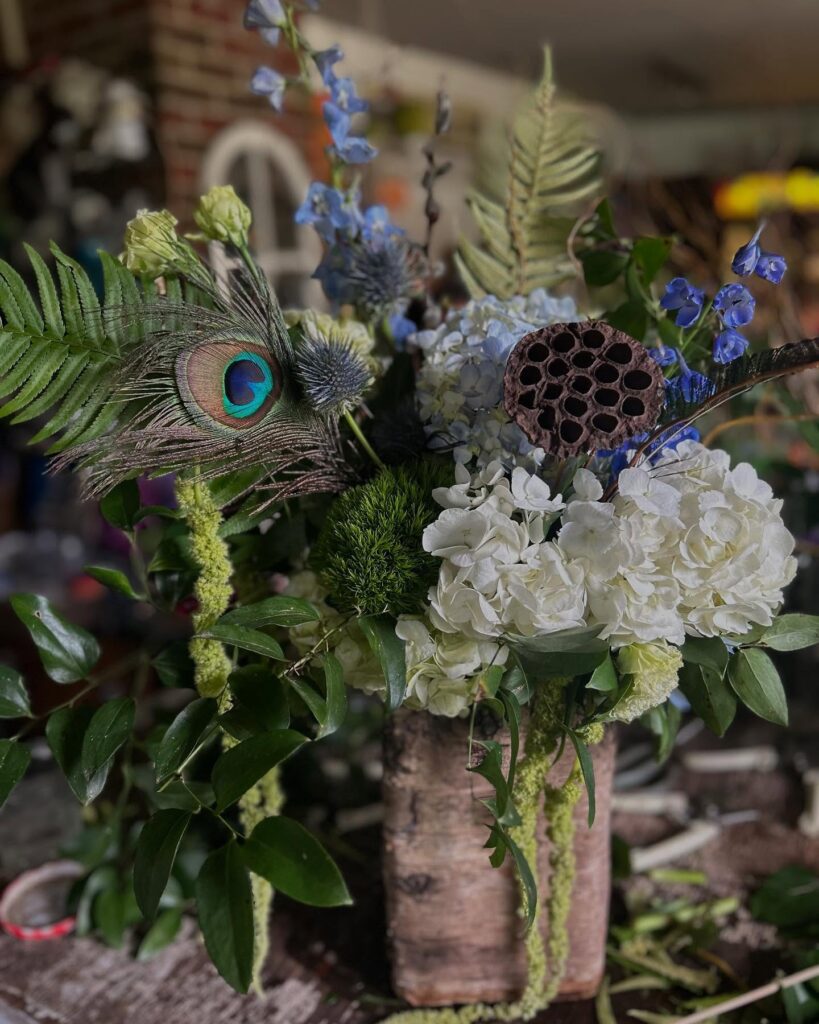

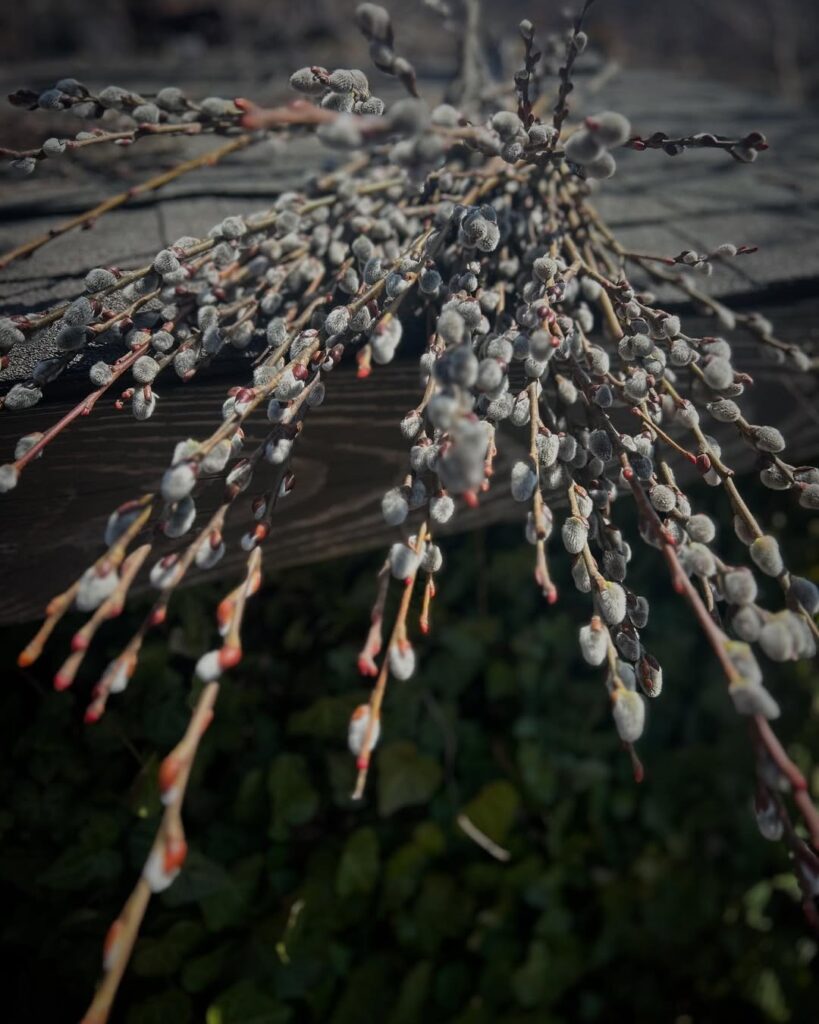
“Rest is not idleness, and to lie sometimes on the grass under trees on a summer’s day, listening to the murmur of the water, or watching the clouds float across the sky, is by no means a waste of time.”
― John Lubbock, The Use Of Life

See stars in the changing season and dance among them, shining.
Mary Anne Radmacher

And so with the sunshine and the great bursts of leaves growing on the trees, just as things grow in fast movies, I had that familiar conviction that life was beginning over again with the summer.
F. Scott Fitzgerald, The Great Gatsby
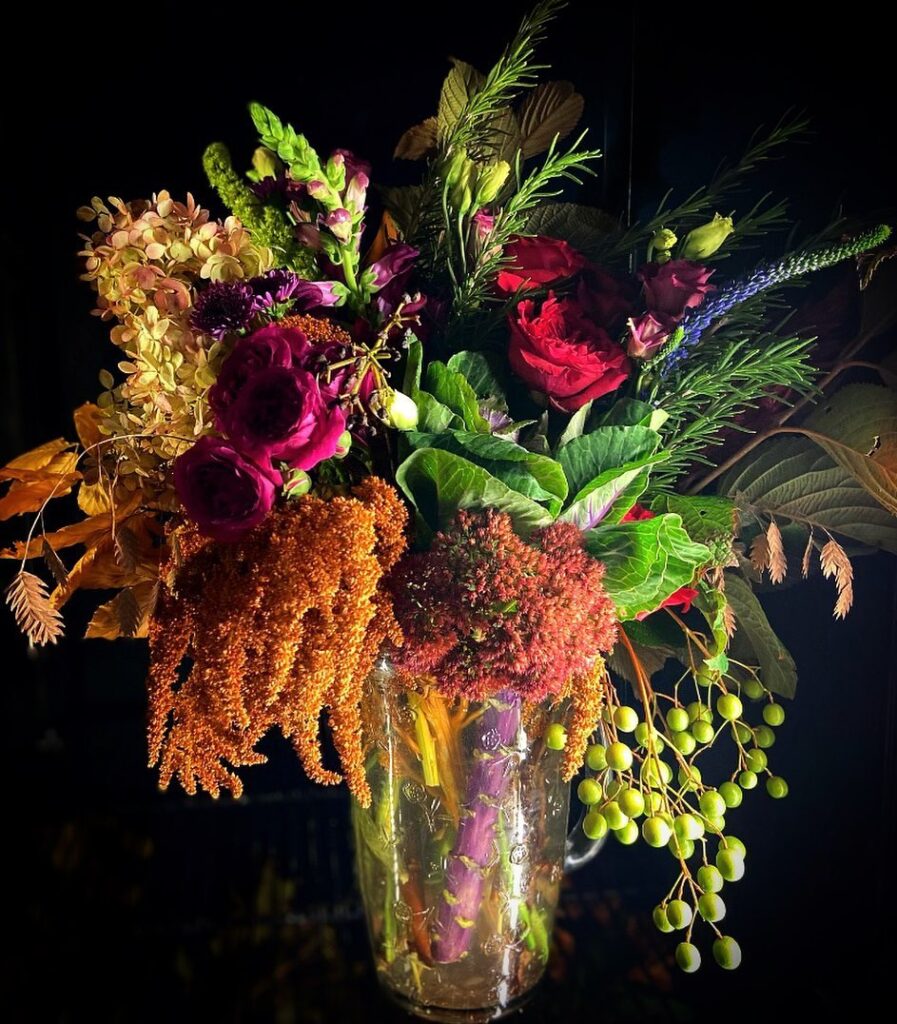
To be interested in the changing seasons is a happier state of mind than to be hopelessly in love with spring. -George Santayana

I feel lucky to be a Marylander. We’re fortunate to see the seasons bleed into one another while our landscape gradually shifts around us. As swift and grand an entrance Autumn makes, coaxing annual crowds of “leaf peepers”, we can’t help but to rubber neck as she coyly dissipates after a mere few weeks. As if she stole the stars above, she marks our rural roads with untold treks who hint like crystalized winks; like an invisible map or an unspoken language that is only depicted by the richness of the moon. Dirt colored snow and black ice pockmark our ancient roads, but the myopic days will grow longer and the stubborn fissures of ice have no choice but to surrender into puddles of mud. Spring saunters in, teasing us with bouts of warmth scattered among the loitering winter days. A familiar seasonal tale, that we all know too well. Our eyes flutter open to a sight for sore eyes. Trees grow obese with succulent emerald leaves that seem to burst from the countless queues of buds that wildly grow from its effete limbs. The tasseled sleeves forever fashion the arms of weeping willows and elder pines; they bow down, touching the earth, as if they’re always welcoming the shift of seasons. Families of serpentine ivy crash and collide, choking neighboring geriatric trunks, suffocating any traces of dun and scorched flora; their chaotic embrace leave only the sweetest viridescent shades of summer behind.

Some are fortunate enough to taste that sweet sense of rumination with a ride down rural roads where the quiet and quaint encompass you, deafening the convoluted chants of society. Roused with change, we wake to the irenic songs and heavyhearted hymns that drown out the infinite thwarted apologies: whispers of seasonal remorse, the unquenchable thirst for the familiarity and the pining for the forgotten senses. Stretching out her ageless arms she escapes, seeping through the fissures of black-out curtains; her lemon stained fingers cast elongated shapes that creep up bedroom walls, beckoning us to rise and shine.
The nomadic twilight yawns, casting a masquerade of dew resembling a kaleidoscope, a trapped play of colors that sheet the earth. Crepuscular rays breach through the clouds, nursing the sear-spotted grounds, and healing wounds from dry Autumn afternoons and the gelidity mornings of Winter.

She eventually succumbs, melting into the invincible glow of a horizon renewed. As nature things, we inherently form cocoons around these volatile days, wrapping the season around us like a childhood blanket. Triggered, we lounge and mask in the familiar warmth of nostalgia, soaking up the season’s diffusing aura like a trite kitchen sponge. Like ancient spirits, we haunt our own homes, roaming from room to room, infinitely searching for ‘ that something’; the first feel of an autumn gust, the taste of snowflakes waltzing on your tongue, the smell of newborn blooms and green or the feel of feverish rays that coat your face in yellow. Kitchen walls and family room floors are eternally saturated in patches of sun; light that escapes through our window panes and splits, scatters and finally settles across our homes.
Canopies of archaic trees oscillate and kiss the ancient sky. Below, cliques of bare naked limbs gyrate to the requiem of nature. Her adularescence light stalks the woods edge, saturating our earth and rubeus waters in sweet simplicity. With arms wide open, we habitually welcome the change of the seasons as the notes of zephyr embrace us like an old friend. Migrating winds collide, and fracture, stimulating the deep, weary cells that lie dormant within us. The melodious atmosphere summons an abstruse awakening that cloaks the blood stained sky which cradles the full Buck Moon. It’s always the time of the season.🎴


For decades, the Almanac has referenced the monthly full Moons with names tied to early Native American, Colonial American, and European folklore. Traditionally, each full Moon name was applied to the entire lunar month in which it occurred and through all of the Moon’s phases—not only the full Moon.
Over time, many cultures have used different names for the 12 full moons experienced each year. Usually, they’re not based on color but on a common activity that takes place that time of year.

the buck moon.

The Full Moon in July is called the Buck Moon because the antlers of male deer (bucks) are in full-growth mode at this time. Bucks shed and regrow their antlers each year, producing a larger and more impressive set as the years go by.

A moon-flooded prairie; a straying
Of leal-hearted lovers; a baying
Of far away watching dogs; a dreaming
Of brown-fisted farmers; a gleaming
Of fireflies eddying nigh, —
And that is July!

the many faces of the buck moon☾
Several other names for this month’s Full Moon also reference animals, including Feather Moulting Moon (Cree) and Salmon Moon, a Tlingit term indicating when fish returned to the area and were ready to be harvested.
Plants are also featured prominently in July’s Moon names. Some of our favorites are Berry Moon (Anishinaabe), Moon When the Chokecherries are Ripe (Dakota), Month of the Ripe Corn Moon (Cherokee), and Raspberry Moon (Algonquin, Ojibwe).
Thunder Moon (Western Abenaki) and Halfway Summer Moon (Anishinaabe) are alternative variants that refer to the stormy weather and summer season.
the next full moon

July’s Full Buck Moon will rise on Wednesday, July 29, reaching peak illumination at 10:36 A.M. Eastern Time. It will be below the horizon at that time, so plan to look towards the southeast after sunset to watch it rise into the sky.
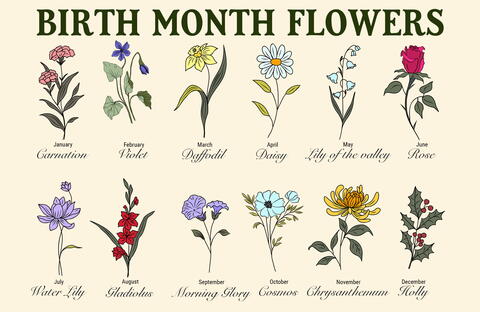
larkspur & water lily.


Stephanie’s here to enhance & revivify the early summer days of our extraordinary, ordinary lives with the most magnificent flora Mother Nature has to offer us this season.